
Social Emotional Learning Lesson Plans PDF: A Comprehensive Guide
Discover readily available, printable PDF resources designed to foster crucial discussions about feelings, social skills, and values within kindergarten through fifth-grade classrooms.
Social Emotional Learning (SEL) is increasingly recognized as vital for student well-being and academic success. These lesson plans, often available as convenient PDF downloads, provide structured activities to cultivate self-awareness, self-management, social awareness, relationship skills, and responsible decision-making.
Resources like SEL Kernels offer adaptable activities for both teachers and families. Printable worksheets targeting specific needs, such as those for students with autism focusing on social cues, are also widely accessible. The “Patched Coat” activity, a captivating storytelling approach, sparks curiosity and facilitates discussions about emotions.
PDF formats ensure easy access and implementation, allowing educators to seamlessly integrate SEL into daily routines and utilize comprehensive toolkits.

Core Components of SEL Lesson Plans
Effective SEL plans center on identifying emotions, building self-awareness, and developing crucial self-management skills – all supported by accessible PDF resources.
Identifying and Understanding Emotions
A foundational element of SEL involves helping students pinpoint and comprehend a wide spectrum of feelings. Activities like feelings discussions, sparked by visual cues such as a “patched coat” or colorful clothing, encourage exploration. This story, adaptable for various emotions and skills, provides a safe space for expression.
Utilizing printable PDF resources, educators can guide students in recognizing emotions in themselves and others. Worksheets focusing on emotional literacy are invaluable. Furthermore, incorporating storytelling and drawing activities – like drawing while actively listening – allows for deeper processing and understanding of emotional states. These methods build a crucial vocabulary for internal experiences.
Developing Self-Awareness
Cultivating self-awareness empowers students to recognize their strengths, weaknesses, and how their emotions influence their thoughts and behaviors. Activities promoting focused attention, such as writing down focusing strategies, are key. PDF resources offer tools for this, including exercises that encourage introspection and mindful observation.
Techniques like drawing an “arrow up/down” to visually represent impulse control contribute to self-regulation. Active listening exercises, paired with written reflections, deepen understanding of personal reactions. SEL Kernels provides adaptable activities, like “I Spy,” fostering observational skills. Ultimately, building self-awareness is essential for responsible decision-making and emotional wellbeing.

Building Self-Management Skills
Effective self-management equips students with strategies to regulate emotions, manage stress, and control impulses. Printable PDF lesson plans incorporate techniques like “Freeze Dance” and the “Arrow Technique” – visual cues for recognizing and responding to escalating feelings. Mastering learning objectives from weeks focused on emotion regulation is crucial.
Activities promoting impulse control, such as lining up exercises and acting out scenarios, build practical skills; These resources emphasize the importance of self-motivation as a core component of social-emotional learning. SEL toolkits provide structured approaches, while worksheets support emotional regulation practice, fostering resilience and responsible behavior.

SEL Activities for Elementary School (Grades K-5)
Engage young learners with feelings discussions, active listening, impulse control games (Freeze Dance), and social skills practice like “Handshake Buddies” using PDF resources.
Feelings Discussions & Storytelling (e.g., “Patched Coat” activity)
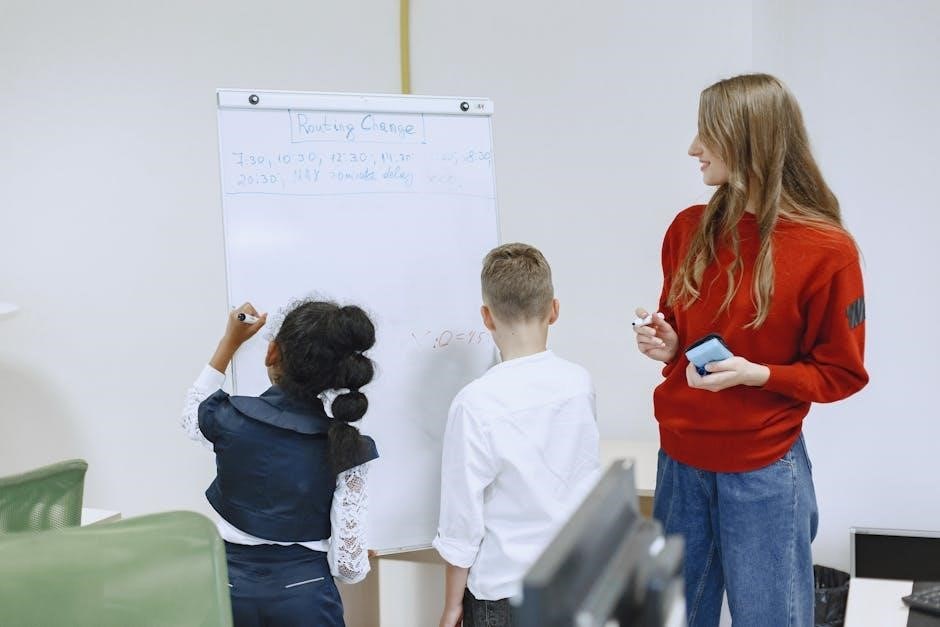
Utilize storytelling as a powerful tool to explore emotions with students. The “Patched Coat” activity, easily implemented with printable PDF guides, sparks curiosity by introducing a visually stimulating, colorful garment. This simple prop initiates conversations about feelings and diverse perspectives.
This adaptable story serves as a springboard for discussing a wide range of emotions and essential social skills. Encourage children to share their own experiences and connect with the narrative on a personal level. Facilitate open-ended questions to promote emotional vocabulary and understanding. Printable worksheets can further support reflection and processing of feelings related to the story, making it a versatile activity for elementary counseling and social-emotional learning.
Active Listening Exercises
Enhance students’ communication skills through focused active listening exercises, readily available within comprehensive SEL PDF resources. Activities like “Write down focusing attention strategies” encourage mindful engagement during conversations. Implement structured practices where students articulate listening rules and demonstrate understanding through paraphrasing.
Creative exercises, such as drawing while listening, promote concentration and attentive behavior. These activities can be seamlessly integrated into daily routines. Printable worksheets provide a framework for students to record their observations and reflect on their listening skills. Further, encourage focused attention through guided practices, building a foundation for respectful and effective communication within the classroom environment.
Impulse Control Strategies (Freeze Dance, Arrow Techniques)
Develop self-regulation skills using engaging impulse control strategies detailed in SEL lesson plan PDFs. “Freeze Dance” provides a fun, kinesthetic way for students to practice stopping on a signal, building inhibitory control. Complement this with “Arrow Techniques,” where students visualize an arrow pointing up when needing to control impulses, or down to release them appropriately.
These techniques, easily implemented in classroom settings, help students recognize and manage their reactions. Printable worksheets can reinforce these concepts, offering visual cues and practice opportunities. Activities like lining up and acting out scenarios further solidify impulse control. These readily available resources empower students to navigate challenging situations with greater self-awareness and composure.
Social Skills Practice (Handshake Buddies, Role-Playing)
Enhance interpersonal skills through practical exercises found within SEL lesson plan PDFs. “Handshake Buddies” fosters positive greetings and non-verbal communication, building rapport and confidence. Supplement this with role-playing activities, allowing students to safely practice navigating various social scenarios – from conflict resolution to cooperative teamwork.
These activities, often detailed with clear instructions in printable formats, provide opportunities for students to model appropriate behaviors and receive constructive feedback. SEL toolkits frequently include scripts and prompts for role-playing, ensuring focused practice. These resources help students develop empathy, assertiveness, and effective communication skills, crucial for positive social interactions and building strong relationships.

SEL Activities Focused on Social Awareness & Empathy
Explore SEL PDFs offering perspective-taking, kindness initiatives like poster design, and written conversations to cultivate empathy and understanding among students.
Perspective-Taking Activities
Cultivating empathy is central to social-emotional learning, and perspective-taking activities are invaluable tools. Printable PDF lesson plans often include exercises designed to help students step into another’s shoes and consider differing viewpoints. These activities encourage children to move beyond their own experiences and understand the feelings and motivations of others.
For example, scenarios can be presented where students must analyze a situation from multiple characters’ perspectives. Discussions can center around “What might this person be thinking?” or “How would you feel if you were them?”. These exercises build crucial social awareness and promote compassionate interactions. Such activities are readily available within comprehensive SEL PDF resources, fostering a more inclusive and understanding classroom environment.
Kindness & Community Building (Poster Design, Escape Rooms)

Strengthening classroom bonds through kindness and community-focused activities is a cornerstone of SEL. Printable PDF lesson plans frequently incorporate collaborative projects like designing kindness posters, visually representing positive messages and encouraging prosocial behavior. More engaging options include SEL-themed escape room challenges, fostering teamwork and problem-solving skills while reinforcing values.
These activities move beyond individual emotional regulation to focus on collective well-being. Students learn to appreciate diverse contributions and work together towards common goals. Resources highlight the importance of charity and offer ideas for family involvement, extending the learning beyond the classroom. These readily available PDF resources provide structured, engaging ways to build a supportive and empathetic learning community.
Written Conversations & Peer Interaction
Facilitating thoughtful peer interaction is vital for developing social awareness and empathy. Printable SEL lesson plans often include activities like written conversations, where students process thoughts and emotions on a given topic through written exchange with classmates. This allows for considered responses and reduces the pressure of immediate verbal interaction.
These exercises encourage active listening and respectful communication. PDF resources emphasize perspective-taking, prompting students to consider viewpoints different from their own. Such activities cultivate understanding and build stronger relationships. These structured interactions, readily available in PDF format, provide a safe space for students to practice essential social skills and deepen their emotional intelligence.

Resources for Printable SEL Lesson Plans (PDF)
Explore SEL Kernels for family-adaptable activities, social skills worksheets tailored for autism (focusing on cues), and emotion regulation worksheets in convenient PDF formats.
SEL Kernels Activities (Family Adaptable)
SEL Kernels provides a fantastic collection of activities specifically designed for teachers, but remarkably adaptable for family use, strengthening the home-school connection. These resources encourage focused observation and interaction.

One engaging activity, “I Spy,” utilizes “Focus Binoculars” – a playful tool prompting students to guess what the teacher or a classmate is observing. This fosters attention skills and encourages descriptive language.
Beyond observation, SEL Kernels integrates discussions about important values like charity, offering practical ideas for families to participate in giving back to their community. This promotes self-motivation, a key component of social-emotional well-being. These adaptable kernels aim to build emotional intelligence within both the classroom and the family environment.
Social Skills Worksheets for Autism (Focus on Social Cues)
Specifically designed to support learners with autism, these printable PDF worksheets prioritize the development of crucial social skills. A major focus is placed on recognizing and interpreting social situations and understanding often subtle social cues.
These resources move beyond simply stating rules, instead providing practical exercises to help students decipher non-verbal communication, body language, and facial expressions. Worksheets often present scenarios requiring students to identify appropriate responses or predict the feelings of others.
The goal is to build confidence and competence in navigating social interactions, fostering a greater sense of belonging and reducing anxiety. These targeted worksheets are a valuable addition to any SEL toolkit, promoting inclusive learning.
Emotion Regulation Worksheets
Essential for building self-management skills, these printable PDF emotion regulation worksheets provide students with tools to understand and navigate their feelings effectively. They support mastering learning objectives related to emotional control and self-awareness, offering practical strategies for managing intense emotions.
Worksheets often include activities like identifying triggers, practicing calming techniques (such as deep breathing), and developing coping mechanisms for challenging situations. Visual aids, like drawing arrows to represent impulse control – pointing up for controlling impulses and down for letting them go – are frequently incorporated.
These resources empower students to take ownership of their emotional wellbeing, fostering resilience and promoting positive mental health within the classroom and beyond.

Implementing SEL in the Classroom
Seamlessly integrate SEL into daily routines using toolkits and adaptable activities like “I Spy” to build community and foster essential social-emotional growth.
Integrating SEL into Daily Routines
Effectively weave Social Emotional Learning (SEL) into the fabric of your classroom by consistently incorporating short, focused activities. Begin each day with a “Feelings Check-In,” prompting students to identify and share their emotions. Utilize active listening exercises, encouraging students to truly hear and understand one another. Implement impulse control strategies like “Freeze Dance” or the “Arrow Technique” during transitions to promote self-regulation.
Furthermore, integrate SEL during read-alouds by discussing characters’ emotions and motivations. Even simple activities like lining up can become SEL opportunities by practicing respectful spacing and turn-taking. Remember SEL Kernels offer family-adaptable activities, extending learning beyond the classroom. Consistent, small integrations build a positive classroom climate and reinforce vital social-emotional skills.
Utilizing SEL Toolkits
Enhance your SEL implementation with comprehensive toolkits offering a wealth of resources. The SHLS Toolkit provides practical strategies, including “I Spy” activities using focus binoculars to sharpen observation skills – crucial for understanding social cues. Explore SEL Kernels for adaptable activities suitable for both classroom and family engagement, fostering consistent practice.
These toolkits often include printable worksheets focusing on emotion regulation and social skills, particularly beneficial for students with autism who may require explicit instruction in recognizing social situations. Leverage these resources to facilitate written conversations and peer interactions, promoting empathy and perspective-taking. A well-chosen toolkit streamlines lesson planning and provides targeted support for diverse learner needs.