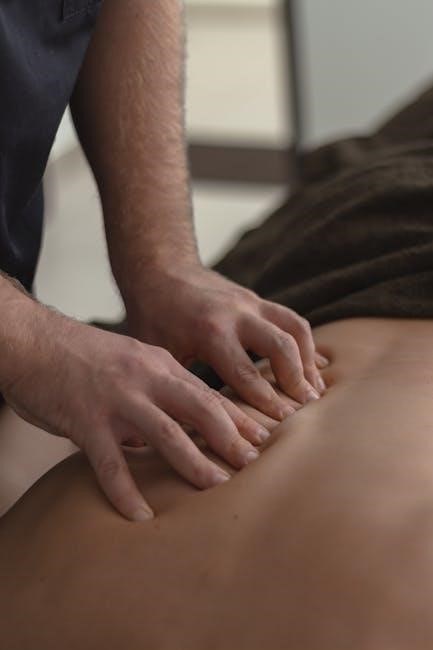
The Body Back Buddy’s 12-page instruction manual is crucial for maximizing benefits, offering detailed guidance for safe and effective self-massage techniques.
This ergonomic tool, created by Paul Nash, empowers users to relieve muscle tension throughout the entire body, promoting wellness and comfort.
What is the Body Back Buddy?
The Body Back Buddy is a remarkably versatile and ergonomically designed self-massage tool, intended to provide targeted relief to tight and knotted muscles throughout the entire body. Its unique, open design allows users to access a wide range of muscle groups – from the back and neck to the legs and feet – with ease and precision.
Each Body Back Buddy is accompanied by a comprehensive 12-page instruction manual, created to guide users through proper techniques for safe and effective use. This manual details how to vary pressure and angles to achieve optimal muscle release, ensuring a personalized massage experience. It’s a tool for self-care, empowering individuals to manage their muscle tension independently.
The Creator: Paul Nash and His Philosophy
Paul Nash, a certified massage therapist, is the visionary behind the Body Back Buddy. His philosophy centers around empowering individuals to take control of their own muscle health and well-being. Recognizing the limitations of traditional massage accessibility, Nash designed the Buddy as a self-treatment solution.
The accompanying 12-page instruction manual reflects Nash’s expertise, providing detailed guidance rooted in therapeutic principles. He aimed to create a tool that mimics the benefits of professional massage, but is readily available for daily self-care. Nash’s focus is on providing effective, accessible relief, promoting a proactive approach to muscle health.
Key Features and Benefits
The Body Back Buddy boasts a unique, open design allowing access to all major muscle groups – back, neck, shoulders, legs, and feet. Its ergonomic shape conforms naturally to the body, enhancing the massage experience. The included 12-page instruction manual details how to vary pressure and angles for targeted relief.
Key benefits include releasing muscle tension, alleviating knots, and improving flexibility. Users experience pain relief and increased range of motion. The Buddy empowers self-treatment, reducing reliance on professional therapies. It’s a versatile tool for both relaxation and therapeutic muscle care, promoting overall wellness.

Understanding the Body Back Buddy Design
The Body Back Buddy’s design, detailed in its instruction manual, features an open shape and natural curves for reaching all muscle groups effectively.
Ergonomic Shape and its Advantages
The Body Back Buddy’s ergonomic shape, thoroughly explained within the instruction manual, is central to its effectiveness. This design isn’t arbitrary; it’s carefully crafted to mirror the body’s natural contours, allowing for intuitive and comfortable self-massage.
The manual highlights how this shape enables users to apply targeted pressure to specific muscle groups without strain. Unlike rigid tools, the Buddy’s curves conform to the body, maximizing contact and minimizing discomfort. This is particularly beneficial for individuals with limited flexibility or those new to self-massage techniques.
Furthermore, the manual emphasizes that the ergonomic design promotes proper posture during use, reducing the risk of injury and enhancing the overall massage experience. It’s a key feature contributing to the tool’s widespread appeal and positive user feedback.
The Open Design: Reaching All Muscle Groups
The Body Back Buddy’s distinctive open design, detailed in the instruction manual, is a core element of its versatility. This unique feature allows users to access and massage a remarkably wide range of muscle groups throughout the entire body – a capability many other tools lack.
The manual illustrates how the Buddy can be hooked over the shoulder, around the side, or used directly on the back, neck, legs, and even feet. This adaptability stems from the open center, which accommodates various body shapes and positions.
Users can effectively target tight, knotted muscles by varying pressure and angle, as demonstrated in the manual’s diagrams. This comprehensive reach makes the Buddy a full-body solution for muscle relief and tension reduction.
Materials and Durability
The Body Back Buddy is constructed from robust, high-quality materials designed for long-lasting durability, as outlined in the instruction manual. While the specific material isn’t explicitly detailed in the provided text, the tool’s intended use and longevity suggest a resilient composition.
The manual emphasizes proper care and maintenance to maximize the Buddy’s lifespan. This includes cleaning guidelines and storage recommendations, ensuring the tool remains effective for repeated use.
Its sturdy build allows users to apply significant pressure during self-massage without fear of breakage, contributing to a safe and effective experience. The Buddy is clearly designed to withstand regular, vigorous use over an extended period.

How to Use the Body Back Buddy: A Step-by-Step Guide
The Body Back Buddy’s instruction manual provides detailed guidance on utilizing the tool for effective self-massage, targeting various muscle groups with controlled pressure.
Preparing for Your Massage Session
Before beginning, consult the Body Back Buddy manual to understand proper techniques and safety precautions. Find a comfortable, stable surface – a chair or the floor works well.
Position yourself to easily access the muscle groups you intend to target. Consider using a towel or mat for added comfort.
Start with gentle pressure, gradually increasing as tolerated. The manual emphasizes listening to your body and avoiding any sharp or intense pain.
Warm up the muscles slightly with gentle stretches before using the Buddy. Hydrate before and after your session to aid muscle recovery and enhance the benefits of self-massage, as detailed in the manual.
Basic Techniques: Rolling and Pressure Application
The Body Back Buddy manual details two core techniques: rolling and pressure application; Rolling involves gently moving the Buddy across muscle groups, releasing tension and improving circulation.
Apply moderate, consistent pressure while rolling, adjusting based on your comfort level. Pressure application focuses on holding the Buddy on specific trigger points or tight areas.
The manual advises starting with light pressure and gradually increasing it as tolerated.
Remember to breathe deeply throughout the session. Varying the angle of the Buddy can target different muscle fibers, as illustrated in the manual’s diagrams. Control the pressure to release knotted muscles.
Targeting Specific Muscle Groups ‒ Back
The Body Back Buddy manual provides specific guidance for back muscle relief. Hook the Buddy over your shoulder, allowing the curved design to conform to your spine.
Use rolling motions along the back muscles, focusing on areas of tension. Apply pressure to knots or tight spots, holding for 15-30 seconds.
The manual illustrates how to adjust the angle to target different back muscles, from the upper to lower regions.
Remember to maintain good posture and breathe deeply. Varying pressure and angle maximizes effectiveness, releasing spastic muscles and promoting relaxation, as detailed in the diagrams.
Targeting Specific Muscle Groups ⎼ Neck and Shoulders
The Body Back Buddy manual details techniques for neck and shoulder tension. Position the Buddy to cradle the neck, applying gentle pressure to release tightness.
For shoulders, hook the Buddy around the shoulder, using rolling motions to massage the upper trapezius and deltoid muscles.
The manual emphasizes controlled movements and avoiding direct pressure on the spine. Adjust the angle to target specific trigger points, holding until tension eases.
Remember to listen to your body and avoid overexertion. The illustrations demonstrate proper positioning for optimal relief, promoting relaxation and improved range of motion.
Targeting Specific Muscle Groups ⎼ Legs and Feet
The Body Back Buddy manual illustrates effective leg and foot massage techniques. For legs, slowly roll the Buddy along the calf muscles, applying firm pressure to alleviate tightness.
Focus on the hamstrings and quadriceps, adjusting the angle for targeted relief. The manual guides users to avoid bony areas and sensitive spots.
For feet, use the Buddy to massage the arches and heels, promoting circulation and reducing soreness. Gentle pressure is key, as the feet are sensitive.
The diagrams clearly show proper positioning, ensuring safe and effective self-massage. Remember to breathe deeply and relax during the session.

Targeting Specific Muscle Groups ‒ Arms and Hands
The Body Back Buddy manual details how to effectively massage arms and hands. Begin by gently rolling the Buddy along the biceps and triceps, applying moderate pressure to release tension.
Pay attention to the forearms, where tightness often accumulates. The manual emphasizes controlled movements and avoiding direct pressure on joints.
For hands, carefully use the Buddy to massage the palms and fingers, relieving stiffness and improving circulation. Gentle pressure is crucial due to the hand’s sensitivity.
Illustrated diagrams demonstrate proper hand placement and technique. Remember to listen to your body and adjust pressure accordingly for optimal comfort and relief.

Advanced Techniques and Applications
The Body Back Buddy manual explores utilizing varied angles and pressure for deeper muscle work, including trigger point release and partner-assisted massage.
Using the Body Back Buddy with Different Angles
The Body Back Buddy manual emphasizes that altering the angle of application dramatically changes the massage experience. By adjusting how you position the tool, you can target muscle fibers from various directions, enhancing release and addressing deeper tension points.
For instance, a more acute angle can focus pressure on specific knots, while a broader angle allows for a wider, more generalized massage. The manual provides diagrams illustrating optimal angles for different muscle groups, like the back and shoulders. Experimentation is encouraged, but always within comfortable limits, to discover what works best for your body and specific needs. Remember, controlling the angle is key to customizing your self-massage.
Self-Massage for Trigger Points
The Body Back Buddy manual details how to effectively address trigger points – those notoriously tender areas within muscles that radiate pain. The tool’s design allows for focused pressure on these points, helping to release the tension and alleviate referred pain.
The manual recommends starting with gentle pressure and gradually increasing it as tolerated. Hold the pressure on the trigger point for 30-60 seconds, or until you feel a release. Avoid aggressive force, as this can exacerbate the pain. The open design facilitates precise targeting, and varying angles can further enhance the effectiveness of trigger point release. Remember to breathe deeply during the process.
Partner-Assisted Massage
The Body Back Buddy manual outlines techniques for a more comprehensive massage experience with the help of a partner. This allows access to areas difficult to reach independently, like the mid-back. The manual emphasizes clear communication between partners regarding pressure levels and comfort.
Your partner can use the Buddy to apply controlled pressure, mimicking techniques described for self-massage. The open design enables a secure grip for the partner, ensuring stability and precision; The manual cautions against applying excessive force and stresses the importance of slow, deliberate movements. This collaborative approach can significantly enhance muscle relaxation and pain relief.

Safety Precautions and Contraindications
The Body Back Buddy manual details crucial warnings; individuals with certain medical conditions should avoid use, and proper technique prevents injury.
Who Should NOT Use the Body Back Buddy?
The Body Back Buddy manual explicitly outlines several contraindications for safe usage. Individuals with acute injuries, such as muscle strains or sprains, should refrain from using the tool until fully healed.
Those with open wounds, skin infections, or inflammatory conditions affecting the muscles should also avoid its use. Furthermore, people with severe osteoporosis, advanced cancer, or undergoing chemotherapy are advised not to utilize the Body Back Buddy.
Pregnant women should consult their healthcare provider before use. Individuals with pacemakers or other implanted medical devices should exercise extreme caution and consult their doctor. Always prioritize safety and heed the manual’s warnings.
Avoiding Injury: Proper Usage Guidelines
The Body Back Buddy manual emphasizes starting slowly and gently, gradually increasing pressure as tolerated. Avoid applying excessive force, which can lead to muscle soreness or injury. Always listen to your body and stop if you experience pain.
Proper positioning is crucial; ensure a stable base and controlled movements. The manual details how to correctly hook the tool over shoulders or around the body to target specific muscle groups.

Avoid using the Body Back Buddy on bony prominences or directly over joints. Never use it on areas with inflammation or injury. Consistent adherence to these guidelines minimizes risk and maximizes therapeutic benefits.
Listening to Your Body
The Body Back Buddy manual consistently stresses the importance of self-awareness during use. Pay close attention to your body’s signals; discomfort is a warning, not a goal. Start with light pressure and gradually increase only if it feels comfortable.
Muscle soreness after use is normal, but sharp or persistent pain indicates you’ve gone too far. Modify your technique or stop altogether. The manual encourages mindful application, respecting individual pain thresholds.
Everyone’s body is different; what works for one person may not work for another. Prioritize your comfort and adjust the pressure and angle accordingly for a safe and effective experience.

Maintaining Your Body Back Buddy
The Body Back Buddy manual details simple cleaning and storage practices to ensure longevity. Regular upkeep preserves the tool’s effectiveness and extends its lifespan.
Cleaning and Storage
The Body Back Buddy manual emphasizes keeping your tool clean for hygienic use and prolonged durability. After each session, wipe down the Body Back Buddy with a damp cloth and mild soap to remove any oils or lotions transferred during use.
Avoid harsh chemicals or abrasive cleaners, as these can damage the material. Ensure the tool is thoroughly dried before storing it. Proper storage involves keeping it in a cool, dry place, away from direct sunlight and extreme temperatures.
A storage bag is often recommended to protect it from dust and scratches. Following these simple cleaning and storage guidelines will help maintain your Body Back Buddy in optimal condition for years of effective muscle relief.
Troubleshooting Common Issues
The Body Back Buddy manual addresses potential issues users might encounter. If the tool feels sticky, thoroughly clean it with a damp cloth and mild soap, ensuring all residue is removed. Difficulty reaching certain muscle groups can be resolved by experimenting with different angles and body positioning, as illustrated in the manual.
If you experience discomfort, immediately reduce pressure or stop using the tool. The manual stresses listening to your body. For squeaking sounds, a tiny amount of lubricant (like furniture polish) can be applied to the contact points.
Always refer to the manual’s diagrams for correct usage and avoid forcing the tool beyond its natural range of motion.
Longevity and Care
The Body Back Buddy manual emphasizes proper care to ensure a long lifespan for your tool. Regular cleaning after each use with a damp cloth prevents buildup and maintains hygiene. Avoid exposing the Buddy to extreme temperatures or direct sunlight, as this can degrade the material.
Storing it in a cool, dry place away from sharp objects will prevent scratches and damage. While durable, avoid dropping the tool onto hard surfaces. Following these simple guidelines, as detailed in the manual, will help you enjoy years of muscle relief.
Consistent care preserves its effectiveness and extends its usability.

The 12-Page Instruction Manual: A Detailed Overview
The Body Back Buddy includes a comprehensive 12-page instruction manual, providing detailed guidance on safe and effective usage for optimal muscle relief.
Key Sections of the Manual
The Body Back Buddy’s 12-page manual is thoughtfully structured to guide users from initial setup to advanced techniques. Key sections begin with a detailed overview of the tool itself, explaining its ergonomic design and how it facilitates reaching all major muscle groups.
A significant portion is dedicated to step-by-step instructions for basic massage techniques, including rolling and pressure application. Further sections focus on targeting specific areas like the back, neck, shoulders, legs, arms, and feet, with clear illustrations.
The manual also addresses safety precautions, contraindications, and proper maintenance, ensuring a safe and long-lasting experience. Finally, a frequently asked questions (FAQ) section addresses common user concerns and provides helpful troubleshooting tips.
Diagrams and Illustrations Explained
The Body Back Buddy manual heavily utilizes diagrams and illustrations to enhance understanding of proper usage. These visuals clearly demonstrate how to position the tool for effective self-massage on various muscle groups, including the back, shoulders, and legs.
Illustrations showcase different hand placements and angles to maximize pressure and target specific trigger points. Detailed depictions explain how to hook the Buddy over the shoulder or around the side for optimal reach.
The diagrams aren’t just about where to use the tool, but how – illustrating the correct body mechanics to avoid strain and maximize relief. These visuals are essential for users to safely and effectively utilize all the tool’s capabilities.
Frequently Asked Questions (FAQ) from the Manual
The Body Back Buddy manual includes a comprehensive FAQ section addressing common user concerns. A frequent question asks about suitability for individuals with certain medical conditions, advising caution and physician consultation.
Another FAQ clarifies the appropriate amount of pressure to apply, emphasizing listening to your body and avoiding excessive force. Users often inquire about cleaning procedures; the manual recommends a simple wipe-down with a damp cloth.
The manual also addresses concerns about longevity, explaining proper storage to maintain the tool’s durability. Finally, questions regarding targeting specific muscle knots are answered with detailed technique suggestions.

Body Back Buddy vs. Other Massage Tools
Unlike foam rollers or massage balls, the Body Back Buddy’s manual emphasizes its unique design for reaching all muscle groups with targeted, controlled pressure.
Comparing to Foam Rollers
While foam rollers excel at broad muscle group release, the Body Back Buddy, guided by its instruction manual, offers pinpoint accuracy. Foam rollers require significant core strength and balance, potentially limiting access for some users.
The Buddy’s ergonomic shape and open design, detailed in the manual, allow self-application to hard-to-reach areas like the mid-back and shoulders without assistance. Foam rolling often lacks this precision. The manual stresses varying pressure, a nuance harder to achieve with a roller.
Furthermore, the Body Back Buddy’s manual highlights its versatility – targeting trigger points and smaller muscle groups effectively, something foam rollers struggle with.
Comparing to Massage Balls
Massage balls, while portable and effective for localized pain, often require a wall or floor for optimal use, as detailed in comparative analyses. The Body Back Buddy, with guidance from its instruction manual, offers complete self-application without external surfaces.
The Buddy’s design allows for broader coverage than a single ball, addressing larger muscle areas efficiently. The manual emphasizes controlled pressure, which can be challenging to regulate with smaller balls.
Moreover, the Body Back Buddy’s shape facilitates reaching muscles across the entire body, a limitation of massage balls. The manual showcases techniques impossible to replicate with a ball alone.
Unique Advantages of the Body Back Buddy
The Body Back Buddy distinguishes itself through its versatile, ergonomic design, as thoroughly explained in the accompanying instruction manual. Unlike many tools, it allows users to self-apply pressure to a wide range of muscle groups – back, neck, legs, and more – without assistance.
The manual highlights the tool’s ability to reach areas difficult to access independently, offering targeted relief. Its open design and natural shape are key differentiators, enabling precise pressure control.
Furthermore, the Body Back Buddy promotes self-care and empowers users to manage muscle tension proactively, guided by the manual’s detailed techniques.